































My Blog
Posts Tagged ‘Home Mortgage Tips’
A Guide to Financing Home Improvements and How Mortgage Refinancing Can Help
 If you’re planning to remodel or renovate your home in the near future – whether to provide a better living environment or as part of a house flip – you’ll need to find a way to pay for your home improvements. There are several different possible sources of renovation money, each with their own advantages and disadvantages. One option that is gaining popularity is mortgage refinancing.
How does mortgage refinancing work, and how does it compare to other renovation financing options? How can you use a mortgage refinance to get the most out of your renovation? Here’s what you need to know.
Home Improvement Investments: Which Renovations Generate The Best Returns?
If you’re considering a mortgage refinance in order to fund your home improvements, you’ll want to concentrate on doing renovations that increase your home’s value. Otherwise, you’ll be taking on more debt without gaining anything in return.
If you want to max out your return on investment, re-finishing your kitchen is your best strategy. Remodeling Magazine’s annual cost-to-value renovation analysis shows that new appliances, a new coat of paint, and new surface finishes in the kitchen generate the biggest returns. Meanwhile, swimming pools and home offices tend to generate the lowest returns because they appeal only to a select group of buyers.
Your Options For Financing Home Improvement Projects
Financing for a home improvement project is a critical consideration. Unless you can afford to pay $20,000 out of pocket for a remodeling project, you’ll need to secure financing of some sort.
Your options for home improvement financing include home equity lines of credit, renovation mortgages, and refinancing. A HELOC may not be an ideal solution, as repayment requires discipline, while a renovation mortgage (or home renovation loan) is typically used only for foreclosures and other properties requiring major renovation work.
Mortgage Refinancing: A Smart Option For Savvy Borrowers
If you’re looking to simply make improvements to your existing home, a mortgage refinance is likely your best option. A straight refinance gives you a lump sum of cash that you can use to pay for renovations upfront.
There’s also a “refinance plus improvements” arrangement, which can provide you with extra capital as you need it. Under this model, you can get up to 80% of your home’s post-renovation appraisal value – however, you’ll only get the money as the renovations are completed and inspected. With a straight refinance, you’re not out of pocket for any length of time.
Making smart home improvements is a great way to boost your home’s value and improve your living conditions. An experienced mortgage professional can help you to find financing for those renovations without a hassle. Contact your local mortgage advisor to learn more.
Mark Taylor | Arizona Home Loans | Blarming | Will You Listen to Me | Arizona Short Sales | Arizona Foreclosures | Arizona FHA Loans | Arizona USDA Loans | Real Estate Websites | Arizona HUD Homes | Ariona VA Loans | Fix My Broken Credit | Arizona Mortgage | Arizona Short Sale | Power Ranch Bank Owned Homes
The Do’s and Don’ts of Getting Approved for a Mortgage Quickly
 If you’re ready to buy a home, getting approved for a mortgage is a critical step that you can’t skip or rush. And although it may seem like the lenders can be a bit arbitrary in their approvals, there’s actually a detailed set of criteria they look for when approving or denying an application.
So how can you ensure your mortgage gets approved quickly and without any hassles? Here’s what you need to know.
Do: Have All Your Documents In Order Right Away
Processing the paperwork on a mortgage approval is one of the most time-consuming parts of getting a mortgage. And if you forget to include a form or fill something out incorrectly, it may take your lender days or weeks to sort out the problem. So before you go to your lender to get approved, make sure you have all of the necessary documents and that they’re all filled out correctly – it’ll save you a great deal of time later.
Don’t: Accept A New Job Or Start A Business While Closing
Once it comes time to close on your mortgage loan, you’ll want to keep your finances as consistent as possible until after the closing. Any change to your financial situation can throw a wrench into the approval process and delay your loan. If you’re planning to quit your job to start a business, accept a new job, cut back your hours, or go on parental leave, wait until after the home sale closes.
Do: Get Pre-Approved With Your Lender
One simple thing you can do to greatly speed up the approval process is get pre-approved. If you’ve already been pre-approved for a mortgage through a certain lender, then securing a mortgage through that lender will be a very smooth process – and in some cases, a pre-approval can speed up your mortgage approval by a week or even more. With a pre-approval in hand, the only issue that remains to be settled with the lender is providing them with your new home address.
Don’t: Co-Sign A Loan For A Friend Or Relative
Any major purchase or new debt of any kind will read as a serious red flag for your lender, one that will take time to sort out. Your lender will do a second credit check just before closing the mortgage, and any new loan amounts can delay or stop the approval. So if a friend or relative asks you to co-sign their loan, wait until after your mortgage is approved.
Getting approved for a mortgage can seem challenging, but by following a few simple rules, you’ll make it easy for your lender to sign off. For more mortgage approval advice, contact your trusted mortgage professional today.
Mark Taylor | Arizona Home Loans | Blarming | Will You Listen to Me | Arizona Short Sales | Arizona Foreclosures | Arizona FHA Loans | Arizona USDA Loans | Real Estate Websites | Arizona HUD Homes | Ariona VA Loans | Fix My Broken Credit | Arizona Mortgage | Arizona Short Sale | Power Ranch Bank Owned Homes
Owning vs Renting: Why High Rents Are Worse Than a Mortgage over the Long Term
 If you’re at the stage in life where home ownership is nearly within your reach, you’re probably wondering whether you should start looking for a home or whether you should just keep renting. Renting is easier, people say, and it gives you more mobility. But over the long term, all that rent money can really add up – and it eventually reaches a point where buying a home is a better deal.
So why is paying a high rent a worse option than buying a house and getting a mortgage? Here’s what you need to know.
Renting Doesn’t Generate Equity
One of the single biggest sources of wealth in the United States is home equity – as you pay down your mortgage, you invest more and more of your money into your property, and it appreciates in value. When you eventually sell that home, you make a profit. The monthly payment is something you’d have to make anyway, whether you rent or own – but when you rent, your monthly rent money lines someone else’s pockets, while when you own, paying down your mortgage actually creates wealth for you.
Renting Doesn’t Give You Access To Homeowner Tax Credits And Deductions
There are all sorts of tax benefits available to homeowners that renters simply can’t access. As a homeowner, you can deduct your mortgage interest from your taxes owing, reducing your taxable income – but there’s no such deduction for renters. You can also deduct property taxes and some closing costs when you buy a home – there are no corresponding tax benefits for renters.
There are also several tax credits available to homeowners that aren’t available to renters. Things like renovations or simply buying a home for the first time can give you tax benefits that renters can’t access.
If You Can Muster Up A Down Payment, Owning Is Cheaper In The Long Run
One of the biggest hurdles keeping young people out of the real estate market is the down payment. It’s not easy, but if you can save up enough money for a down payment, you’re actually better off buying a home than continuing to rent.
According to Trulia, the median home price in metro Houston in Texas is just under $163,000, while the median monthly rent for an apartment is $1,550. That means renting would cost $18,600 per year, while buying a home (assuming a 20% down payment and 30-year term) would cost $9,384 per year in mortgage payments. In other words, owning is about half as expensive as renting in the long run.
Renting may be a good short-term solution, but over the long haul, owning is almost always better. Call a local mortgage professional to learn more.
Mark Taylor | Arizona Home Loans | Blarming | Will You Listen to Me | Arizona Short Sales | Arizona Foreclosures | Arizona FHA Loans | Arizona USDA Loans | Real Estate Websites | Arizona HUD Homes | Ariona VA Loans | Fix My Broken Credit | Arizona Mortgage | Arizona Short Sale | Power Ranch Bank Owned Homes
Money Matters: Understanding How a Mortgage Loan Can Be a Productive Investment
 Most people tend to think of a mortgage loan as a necessary evil, an expense that has to be managed. But under the right circumstances, your mortgage can become a smart investment – something that makes you money instead of costing you money. With a little bit of ingenuity and a lot of hard work, you can turn your mortgage into a money-making investment that will pay dividends for years to come.
So how do you turn your mortgage loan into a productive investment? Here’s what you need to know.
A Mortgage Can Help You Buy A New Rental Property
One of the simplest ways that a mortgage can become an investment that adds value to your portfolio is by using it to buy an income property. For a first-time investor, the simplest arrangement is to buy a single-family home and rent it out. And if you live in a college town, you’ll find no shortage of students looking for housing – meaning you’ll never have a hard time finding renters.
In order to make this work, you’ll need to first have enough money saved up for a down payment. You’ll also need to have your rental rates high enough to turn a profit, but not so high that you have difficulty finding renters. And finally, if it’s possible, you’ll want to consider turning the home’s basement into a secondary suite, allowing you to max out your rental income.
A Mortgage Can Give You A Home To Flip
The second major way that a mortgage can be a productive investment is by using it to flip a home. House flipping has become very popular in recent years thanks to a number of television programs like Flip This House – and although flipping a home can result in a major windfall, it’s not easy. In order to make a house flip work for you, you’ll need to carefully plan out the flip and ensure that you buy the right property at the right time.
Beginning flippers should usually start with an older bungalow. You’ll need a solid credit score to secure the mortgage, and ideally, you should make your down payment in cash. You’ll also want to ensure the home is in a good neighborhood – this will make it easier to sell the home when you’re done renovating.
A mortgage is often thought of as an expense, but if you plan on buying a rental property or flipping a home, it’s actually a very smart investment. There’s always risk involved, of course, but with the right mortgage and the right home, you’ll have no trouble turning a profit. Call your local mortgage professional for help in getting the right mortgage for your investment property.
Mark Taylor | Arizona Home Loans | Blarming | Will You Listen to Me | Arizona Short Sales | Arizona Foreclosures | Arizona FHA Loans | Arizona USDA Loans | Real Estate Websites | Arizona HUD Homes | Ariona VA Loans | Fix My Broken Credit | Arizona Mortgage | Arizona Short Sale | Power Ranch Bank Owned Homes
Have You Been Denied for a Mortgage? Here Are 3 Reasons Why You’ll Want to Keep Trying
 If you’re in the market for a new home, you’ll most likely need a mortgage in order to afford it. But for some home buyers, getting a mortgage isn’t easy. Banks and other lenders are often hesitant to lend money to certain consumers, often for good reason.
But sometimes, lenders’ reasons for declining you aren’t entirely valid. That’s why, if you’ve been denied for a mortgage, you’ll want to keep trying to get mortgage funds. Here are three factors that can influence the likelihood of approval on the second try.
A Second Appraisal Might Change Your Circumstances
Sometimes, a mortgage lender will deny a loan because the property value of the home in question isn’t large enough to back the loan. If your mortgage lender declines you because of a poor loan-to-value ratio, getting a second appraisal could help. A lot of appraisal companies will give wildly different appraisals on the same property, with some brokers reporting valuation differences of up to $1.3 million.
Bear in mind that you cannot get two appraisals through the same lender, so if you choose to have the home appraised a second time, you’ll need to find a new lender.
Cleaning Up Your Credit Report Can Work Wonders
What’s on your credit report will have a large role in determining whether or not you get the mortgage you want. If you’ve been denied because of entries on your credit report, you’ll want to take every step possible to correct those report issues. If you’ve been more than 30 days late on a payment in the past, it will show on your credit report and affect your score – but by calling your creditor and asking them to remove the negative, you can bring your credit report back into good standing.
You’ll also want to pay off any and all past due balances as soon as possible. If you can’t pay what you owe in full, you’ll want to negotiate with your creditor to pay part of the amount. This will result in the debt showing on your credit report as “paid as agreed”, which will boost your credit score.
An Extra Down Payment May Be A Good Idea
affect your scoreOftentimes, a lender will decline a borrower if the borrower is asking for too much money. If you’re pursuing a mortgage worth more than 95% of the property value, you’ll probably be declined. But if you make an extra down payment, you can lower your loan amount – which may incline your lender to approve your application.
If you’ve been declined for a mortgage, don’t give up. There are steps you can take to get approved. Call your local mortgage professional for more advice on mortgage applications.
Mark Taylor | Arizona Home Loans | Blarming | Will You Listen to Me | Arizona Short Sales | Arizona Foreclosures | Arizona FHA Loans | Arizona USDA Loans | Real Estate Websites | Arizona HUD Homes | Ariona VA Loans | Fix My Broken Credit | Arizona Mortgage | Arizona Short Sale | Power Ranch Bank Owned Homes
A Quick and Easy Guide to Using an Online Mortgage Calculator
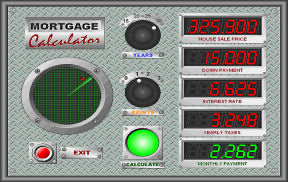
 If you’re in the market for a new mortgage, using an online mortgage calculator is a great way to determine what kind of terms you can expect to see and how they’ll affect your home purchase. Visualizing what a 3.9% interest rate looks like can be difficult, which is why a mortgage calculator is so useful – it shows you exactly what a certain mortgage will do to your finances. Here are just a few ways that you can use an online mortgage calculator to learn more about your mortgage needs and find the mortgage that is best for you.
Start With A Solid Set of Sample Data
In order for your mortgage calculator to be of any use, you’ll need to start the calculations with a set of sample data that is a fairly accurate representation of what you can expect to find in the market. For example, if your gross annual salary is $30,000, you won’t want to look at mortgages for $1 million homes (unless you’re doing so out of idle curiosity). Instead, try to represent your actual take-home earnings and interest rates available to someone with your credit as faithfully as possible.
Try Adjusting The Settings And Terms
Once you have your sample data and have done a quick initial calculation, you’ll want to play around with some of the settings and terms to see how minor changes in your mortgage arrangement can affect your finances.
For instance, what happens if you keep your monthly payment the same but increase your interest rate? What happens if you change your 15% down payment to 20% and you suddenly don’t have to pay mortgage insurance? When you understand how all of the different variables impact both each other and your monthly payments, you’re in a better position to judge what kind of mortgage is a good fit for you.
Survey Multiple Lenders And Input Their Terms
When you use your mortgage calculator, you’ll want to avoid simply using one mortgage plan from one lender. Different lenders can vary in their mortgages available and can offer you different terms, which will impact your monthly payments and possibly even what kind of home you can afford. So shop around and use different terms from different lenders – this has the dual effect of both helping you understand how mortgages work and saving you some rate shopping time later.
Online mortgage calculators are an easy way to learn how mortgages work, but you’ll want to enlist the help of a professional mortgage advisor when it comes time to choose a mortgage and a lender. Contact your local mortgage professional today to get expert home buying advice.
Mark Taylor | Arizona Home Loans | Blarming | Will You Listen to Me | Arizona Short Sales | Arizona Foreclosures | Arizona FHA Loans | Arizona USDA Loans | Real Estate Websites | Arizona HUD Homes | Ariona VA Loans | Fix My Broken Credit | Arizona Mortgage | Arizona Short Sale | Power Ranch Bank Owned Homes
Understanding Mortgage Pre-Approvals and How to Avoid Being Declined for One
 The mortgage process is a long and complicated one, with a number of similar-sounding terms that can easily confuse first-time homebuyers. A pre-approval is not the same thing as a pre-qualification, and it’s important to understand everything that goes into a pre-approval. Being declined during the pre-approval process means you’ll have a hard time getting the funds you need to buy your home, so it’s important that you know what the process is going to look like before going into it.
How does a pre-approval work, and how can you make sure you won’t be declined? Here’s what you need to know.
What Is A Mortgage Pre-Approval?
A mortgage pre-approval is a step that happens somewhere near the start of the home buying process. Being pre-approved means you have a preliminary loan commitment from a mortgage lender. Pre-approval isn’t necessarily a guarantee that you’ll get a mortgage, but rather, a statement that if all goes according to plan, your lender will most likely issue a mortgage to you.
Pre-approvals can make the mortgage process shorter and easier, but they’re not legally binding. If you later find a better mortgage through another lender, you don’t have to take out a mortgage through the lender that pre-approved you.
What Do You Need To Be Pre-Approved?
In order to be pre-approved, your lender will need to evaluate your finances and your ability to pay for your mortgage. You’ll want to meet with your lender and provide them with bank and creditor documents that clearly show your income, your assets, and your debts. You can expect your lender to run a credit check on you in order to determine your employment status and verify that you’ve accurately reported your finances.
If you meet your lender’s criteria, you’ll receive a commitment letter that states what size of a mortgage your lender is willing to give you.
Red Flags: Sure Signs That You’re Destined To Be Declined
You can be declined for a mortgage pre-approval for any number of reasons. If you have a poor credit score, a high debt-to-income ratio, or a low or unstable income, you likely won’t meet the lender’s minimum borrower requirements – and you’ll be declined. To avoid being declined for a pre-approval, you’ll want to ensure you always pay your bills on time, negotiate with your creditors to pay off your debts, or boost your income.
A mortgage pre-approval can help you to narrow your home search and access a mortgage loan. That’s why it’s important to ensure you don’t get declined during the pre-approval. Contact a mortgage professional near you to learn more about the pre-approval process.
Mark Taylor | Arizona Home Loans | Blarming | Will You Listen to Me | Arizona Short Sales | Arizona Foreclosures | Arizona FHA Loans | Arizona USDA Loans | Real Estate Websites | Arizona HUD Homes | Ariona VA Loans | Fix My Broken Credit | Arizona Mortgage | Arizona Short Sale | Power Ranch Bank Owned Homes
3 Things That Will Absolutely Kill Your Chances for a Mortgage Approval
 If you’re about to seek approval for a mortgage, you’ll want to ensure you have a solid credit score and clean financial records to boost your likelihood of being approved. There are certain characteristics that lenders want to see in a mortgage applicant before they agree to give a loan, and you want to prove that you’re a responsible borrower. But certain behaviors can easily tank your application and crush your home ownership dreams.
Before you seek approval, make sure your finances are in order. Avoid these three mortgage-killing habits while your lender evaluates your loan and you’ll quickly find yourself holding the keys to your new home.
Using Up Most Of Your Available Credit
It can be tempting to start buying furniture when your mortgage is about to be approved, but you’re better off waiting on the shopping trip until after you get the green light from your lender. Using a significant amount of your available credit – or applying for new credit – will impact your debt-to-income ratio and change your credit score. You might even end up getting yourself a higher interest rate or reducing your credit score to below the qualifying range – so don’t go credit-crazy until after you’re approved.
Being Late On Your Monthly Bills
Payment history makes up one third of your credit score, so you’ll want to make sure you pay all of your bills on time and in full if you’re looking for a mortgage. A single 30-day late payment on a bill can easily knock 50 to 100 points off your credit score. Even worse, some lenders require a full year of on-time payments before they’ll even consider you for a mortgage.
Co-Signing Someone Else’s Loan
Co-signing on a loan is generally risky under any circumstances, but if you’re trying to get approved for a mortgage, taking on liability for someone else’s debt will change your debt-to-income ratio. Being on the hook for a debt you don’t own makes you look like a risk to lenders – if the primary borrower on the loan you co-signed stops making payments, you’ll need to pay the loan, and that could divert your cash away from your mortgage.
Getting approved for a mortgage is a critical part of the home buying process, but too many would-be homeowners torpedo their own chances of getting a mortgage by making poor decisions. Contact a mortgage professional near you to learn how you can give yourself the best possible chance of getting approved for a mortgage.
Mark Taylor | Arizona Home Loans | Blarming | Will You Listen to Me | Arizona Short Sales | Arizona Foreclosures | Arizona FHA Loans | Arizona USDA Loans | Real Estate Websites | Arizona HUD Homes | Ariona VA Loans | Fix My Broken Credit | Arizona Mortgage | Arizona Short Sale | Power Ranch Bank Owned Homes
Refinancing This Winter? Follow These 5 Expert Tips to Get the Most from Your Mortgage
 Refinancing a mortgage is a great way to take advantage of historically low interest rates or change your payment terms to be more affordable. And with interest rates at historical lows, there’s never been a better time to refinance your mortgage. If you’re planning to refinance your mortgage this winter, though, you’ll want to make sure you get the best possible deal.
How can you make sure that your mortgage works for you, and not the other way around? Here’s what you need to know.
Know What Your Break-Even Point Is
Your break-even point is the point at which the extra amount you paid out of pocket for the refinance and the amount you saved in a reduced interest rate is equal. In other words, it’s the point at which a refinance actually starts saving you money – and it’s important that you know when that point is. If you pay $5,000 in refinancing fees and your refinance reduces your monthly interest payment by $200, for instance, you’ll break even after two years and one month.
Opt For a Shorter Loan Term, If Possible
Refinancing gives you the ability to turn a long mortgage into a short one. And although a shorter mortgage comes with higher payments, more of your monthly payment is applied to your principal. With a 30-year mortgage, for instance, you’ll be paying mostly interest for the first 16 years – but with a 15-year mortgage, your payments will go mostly toward the loan principal after just five years.
Try To Avoid Prepayment Penalties
A prepayment penalty is an amount of money you pay in order to pay off your mortgage early. If you experience a sudden windfall and can pay off your home in one lump sum, or if you choose to sell your home, you might incur a prepayment penalty. Not all mortgages have these penalties – so talk with your mortgage professional and let them know you are looking for a morgage without a prepayment penalty.
Lock In Your Rate
Mortgage rates are at historical lows right now. One of the biggest reasons why people refinance their homes is to get lower interest rates – which is why, if you’re refinancing your home, you’ll want to choose a fixed rate mortgage. It’ll keep your interest payments low and manageable, so you don’t pay more than you have to.
Know Your Home’s Current Fair Market Value
Housing prices rise and fall over time, which can impact your loan rate when you refinance. Higher-value homes generally get better rates, so make sure you know your home’s fair market value.
Refinancing often means better mortgage terms, so make sure you take full advantage of this opportunity. Call your trusted mortgage professional to learn more.
Mark Taylor | Arizona Home Loans | Blarming | Will You Listen to Me | Arizona Short Sales | Arizona Foreclosures | Arizona FHA Loans | Arizona USDA Loans | Real Estate Websites | Arizona HUD Homes | Ariona VA Loans | Fix My Broken Credit | Arizona Mortgage | Arizona Short Sale | Power Ranch Bank Owned Homes
Yes, It’s True: Mortgage Closing Costs Are Down. Here’s How You Can Take Advantage
 Mortgage closing costs have been coming down in recent years, which is good news for buyers. But if you’re buying a home in the near future, you’ll want to ensure you’re prepared to take full advantage of these lower fees – after all, keeping more money in your pocket is always good. When you close on your mortgage, take these three steps and you’ll find that you’ll pay far less in closing fees than most buyers would.
Ask The Seller To Pay Some Of The Closing Costs
In most situations, the buyer is responsible for paying all closing costs – that’s the industry standard agreement. But just because that’s what generally happens most of the time, that doesn’t mean you need to pay all the closing costs on your new home.
Negotiate with the sellers to see if they’d be willing to cover some of the closing costs. If you want to make a deal like this, though, you’ll want to add an extra incentive for the sellers to agree to it. Tell the sellers that they can choose any closing date they wish, or offer to accept the home “as-is” rather than requesting repairs.
Use The Money You Save For An Extra Annual Payment
With lower closing costs come savings that you can either pocket or spend. One great way to leverage lower closing costs is to use the amount of money you saved with reduced closing fees as an extra mortgage payment.
Most lenders will allow you to make one extra lump sum payment per year, without penalty – and by making this extra payment every year, you’ll save on interest payments. So use the money you saved in closing costs as part of an extra payment to reduce your debt load.
Reducing your closing costs and taking advantage of the lower fees is easy if you know what you’re doing. A mortgage advisor can help you to understand what closing fees are negoitable and how you can budget for success. Call your trusted mortgage professional today to learn more.
Mark Taylor | Arizona Home Loans | Blarming | Will You Listen to Me | Arizona Short Sales | Arizona Foreclosures | Arizona FHA Loans | Arizona USDA Loans | Real Estate Websites | Arizona HUD Homes | Ariona VA Loans | Fix My Broken Credit | Arizona Mortgage | Arizona Short Sale | Power Ranch Bank Owned Homes
 |
 |
 |
 |
 |
 |
 |
by Mark Tayloron | Arizona Mortgage | The Mark Taylor Teamon |
Amerifirst Financial Inc. | By Mark Taylor © 2012 | Banker # BK0013635 | AZ NMLS ID 207897 | CA NMLS ID CA-DOC207897
Our Team | Arizona Mortgage | Blarming | Will You Listen to Me | Arizona Short Sales | Arizona Foreclosures | Arizona FHA Loans | Arizona USDA Loans
| Arizona HUD Homes | Ariona VA Loans | Arizona Mortgage | AZ Short Sale Help | Power Ranch Bank Owned Homes | Find me on Google Earth | Arizona Mortgage Sitemap
AmeriFirst Financial, Inc., 1550 E. McKellips Road, Suite 117, Mesa, AZ 85203 (NMLS # 145368). 1-877-276-1974. Copyright 2014. All Rights Reserved. This is not an offer to enter into an agreement. Not all customers will qualify. Information, rates, and programs are subject to change without prior notice. All products are subject to credit and property approval. Not all products are available in all states or for all loan amounts. Other restrictions and limitations apply. License Information: Click Here for Licensing
Mark Taylor | Certified Mortgage Planner | NMLS 207897 | AmeriFirst Financial, Inc. | NMLS 145368 | 14350 N. 87th Street, Suite 310, Scottsdale, AZ 85260 | Direct: 480.289.7644 | Mobile: 602.361.0707 | mtaylor@amerifirst.us | AFI Privacy Policy

Real Estate Websites & Realtors Websites & Realtor Websites by Char Bennett of YourSiteNeedsMe