































My Blog
Archive for the ‘Home Mortgage Tips’ Category
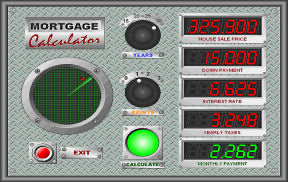
How to Use a Mortgage Calculator to Determine Your Monthly Payments, Interest and More
 Are you thinking about using a mortgage to buy a new home? Buying your own piece of local real estate is a major financial investment and one that can require some pretty complex math to fully understand.
In this blog post we’ll discuss mortgage calculators and how to use one of these tools to determine your monthly mortgage payments, interest charges, amortization periods and more.
Determining Your Principal and Down Payment Amounts
To get started with a mortgage calculator you’ll need to know how the price of the home and how much you intend to contribute as a down payment. Generally speaking you’ll want to place a down payment of at least 20 percent in order to avoid having to pay for private mortgage insurance and to give you access to better interest rates.
Choosing Your Interest Rate and Amortization Period
Now that you have an idea of the amount of mortgage financing you’ll need, the next step is to choose your interest rate and amortization period. Different lenders will offer different interest rates for every one of their mortgage products, so again you’ll want to play around with these numbers and run the calculation to see which combination of mortgage financing, interest rate and amortization period gives you a monthly payment that suits your budget.
Using a Mortgage Calculator for Refinancing
If you’re thinking about refinancing your current mortgage you can also use a mortgage calculator to help make the math a bit easier. Simply use your outstanding mortgage balance as the principal amount and then choose an amortization schedule that fits your financial goals. Be sure to keep an eye on your interest payments, as you may find that by refinancing to a longer amortization period your monthly payments go down but your total interest paid is quite a bit higher.
Don’t Forget the Closing Costs
Finally, don’t forget that there are numerous “closing costs” – fees, taxes and more – which you’ll need to factor in to your overall calculation. Closing costs will include everything from home appraisal fees to government filing fees and property taxes, and will vary depending on the home and the city or community you’re buying in.
While online mortgage calculators can handle the tricky math to determine monthly payments and interest costs you may still find that you have questions about your mortgage or some aspect of the process. For more information, contact your local mortgage professional and they’ll be happy to share their advice and expertise.
Mark Taylor | Arizona Home Loans | Blarming | Will You Listen to Me | Arizona Short Sales | Arizona Foreclosures | Arizona FHA Loans | Arizona USDA Loans | Real Estate Websites | Arizona HUD Homes | Ariona VA Loans | Fix My Broken Credit | Arizona Mortgage | Arizona Short Sale | Power Ranch Bank Owned Homes
Did You Know That Your FICO Score Can Drastically Affect Your Mortgage? Here’s Why
 Are you about to apply for a mortgage loan in order to buy a home? If so, you may be curious about your credit score and how this might impact your financing.
Let’s take a quick look at how FICO credit scores can affect your mortgage and share a couple of ways that you can boost your score to ensure your application is approved.
What is a FICO Score?
The Fair Isaac Corporation (FICO) is the country’s leading producer of credit scoring information and is the primary source that most lenders will check to assess how much risk you present. FICO combines information from credit bureaus such as TransUnion, Experian and Equifax and produces a score ranging from 300 to 850.
The higher your FICO score is, the better your credit history and the lower the risk you present to lenders. If you have a score above 750 you can expect that most lenders will offer you a mortgage and likely a very good interest rate. If you have a score below 620 or 630 you may find it challenging to get approved and below 500 it will be almost impossible.
How Does a FICO Score Affect My Mortgage?
Your FICO score will affect you in two main ways. First, as mentioned above your FICO score will help to determine whether or not you are approved for a mortgage. Second, you’ll find that the interest rates offered to you by various lenders will change based on your FICO score. An individual with a score of 800 and very clean credit presents much lower risk than someone with a score of 500, and thus a higher score generally means a lower rate.
How Can I Boost My FICO Score?
If you find that your credit score is a bit low and you’re concerned that it will have a negative effect on your mortgage application there are a few steps you can take. First, get a full copy of your FICO score and credit history so you can see who is reporting to the credit bureaus and what information they are providing. You may find that there are mistakes or old items that have not yet been removed which you can then challenge to have taken off of your credit report.
While your FICO score can certainly impact your mortgage and your interest rate you shouldn’t let a low score hold you back from applying. Contact your local mortgage professional today to discuss your options and to determine whether or not your credit will cause you to have any issues in securing a mortgage to pay for your new home.
Mark Taylor | Arizona Home Loans | Blarming | Will You Listen to Me | Arizona Short Sales | Arizona Foreclosures | Arizona FHA Loans | Arizona USDA Loans | Real Estate Websites | Arizona HUD Homes | Ariona VA Loans | Fix My Broken Credit | Arizona Mortgage | Arizona Short Sale | Power Ranch Bank Owned Homes
You Ask, We Answer: What is a “Reverse Mortgage”?
 If you’ve recently considered your options for taking some of the equity out of your home you may have heard about reverse mortgage loans. If you meet the requirements for a reverse mortgage it can be an excellent way to tap into the value of your home, freeing up that cash to be reinvested or used for other purposes.
In today’s blog post we’ll explore reverse mortgage loans, explaining how they work and whether or not you’re qualified to receive one.
How Does a Reverse Mortgage Work?
As the name implies, a reverse mortgage is the opposite of a traditional or “forward” mortgage in which you borrow a lump sum of money from a lender to buy a home, paying it back to them over time. With a “reverse” mortgage, instead of paying the lender you will receive money from them which does not have to be repaid until you are either no longer using that house or condo as your primary home or until you fail to meet the obligations of the mortgage contract.
Note that a reverse mortgage is still a loan, which means you will still be required to pay interest on it. As your loan balance increases with principal and interest each month the amount of equity you have in your home will decrease accordingly.
Do I Qualify for a Reverse Mortgage?
According to the federal Consumer Financial Protection Bureau, there are a number of requirements that you must meet in order to qualify for a reverse mortgage. You must be at least 62 years of age when you apply, the home you’re applying with must be your primary residence, and most or all of your outstanding mortgage debt on the home must be paid off.
If you still owe money on your original or second mortgage against the home note that part of the money from the reverse mortgage must be used to pay this debt off.
How Much Can I Borrow in a Reverse Mortgage?
Like any type of loan, the amount of money that you can receive with a reverse mortgage depends on a variety of factors. Your age, the value of your home, any outstanding mortgage debt, current interest rates and Federal Housing Administration requirements will all be taken into consideration when determining how much you will qualify for.
While a reverse mortgage isn’t terribly complex, there is certainly more to the process that can be covered in a single blog post. For more information, contact your local mortgage professional today and they can share the specifics of how you might qualify for a reverse mortgage and whether or not it’s your best option for making use of some of your home equity.
Mark Taylor | Arizona Home Loans | Blarming | Will You Listen to Me | Arizona Short Sales | Arizona Foreclosures | Arizona FHA Loans | Arizona USDA Loans | Real Estate Websites | Arizona HUD Homes | Ariona VA Loans | Fix My Broken Credit | Arizona Mortgage | Arizona Short Sale | Power Ranch Bank Owned Homes
Have You Had Trouble Getting a Mortgage? Three Tips for Sprucing Up Your Credit Before Reapplying
 If you’ve had some trouble getting approved for a mortgage recently, you’re not alone. Many individuals face mortgage challenges due to past blemishes on their credit reports or a personal financial crisis that resulted in bills not being paid on time.
In this post we’ll share three quick tips for sprucing up your personal credit before reapplying for a mortgage. With a bit of luck and hard work you can be on your way to purchasing that new dream home.
Pay Off Your Credit Cards And Lines Of Credit
The easiest way to improve your credit score and prove that you can afford your mortgage payments is to eliminate other forms of debt from your monthly budget. If you have outstanding credit card, student loan or other debts, get them paid off as quickly as possible.
You’ll also want to avoid taking on any new loans while you’re trying to get your mortgage approved as these are likely to show up on your credit report and can hurt your chances at approval.
Pull Your Credit Report And Look For Errors
If you haven’t seen your credit report recently, it might be worth investing in a copy so you can see exactly what your lender sees when they are evaluating you for a mortgage. You may discover that there are errors or inaccuracies that can be cleared off with a quick phone call, such as a past loan that was fully paid or a missed car payment that was reported in error. Every credit report error that you can fix will bring you one step closer to your mortgage approval, so spend a few minutes combing through your report.
Pay All Of Your Bills On Time
Did you know that every overdue bill can leave a negative mark on your credit report? With so many bills to juggle – credit cards, cell phones, utilities and more – it can be tough to keep them all organized and paid before the due date. However, if you’re working to secure a mortgage you must keep your bills paid to avoid being reported as a late or overdue payment.
If you’ve had some trouble getting approved for a mortgage in the past, take a few minutes to contact your local mortgage professional today to ask for their advice. You may find that they have additional tips and strategies that you can leverage to better your chances of being approved.
Mark Taylor | Arizona Home Loans | Blarming | Will You Listen to Me | Arizona Short Sales | Arizona Foreclosures | Arizona FHA Loans | Arizona USDA Loans | Real Estate Websites | Arizona HUD Homes | Ariona VA Loans | Fix My Broken Credit | Arizona Mortgage | Arizona Short Sale | Power Ranch Bank Owned Homes
Buying a Home? 4 Steps You Can Take to Ensure You Start out with a Low Monthly Mortgage Payment
 Are you thinking about buying a new house or condo? If so, you’ve likely given some thought to your mortgage and as to how you can pay as little as possible in order to own your new home.
Below we’ll share four easy steps that you can take to ensure you start out with an affordable monthly mortgage payment.
Make A Large Down Payment On Your Home
The easiest way to reduce your monthly payment is to invest as much as possible in your down payment. The less you have to borrow, the less you’ll be required to pay back.
If you can put a sizeable amount down on your home you’ll find that your monthly payments are going to be very manageable. You’ll also save a lot of money in interest.
Maintain A High Credit Score
When a lender assesses your financial history they’ll take an in-depth look at your credit score in order to determine how much risk you present to them. If you’ve kept a clean credit rating and have a high score, it’s likely that you will qualify for a lower interest rate than someone with a lower credit score – even if you both have the same monthly income.
Buy A Smaller, More Efficient Home
When you’ve made your short list of homes and you’re scheduling your viewings, ask yourself – do you need a home this big, or this expensive? If you can do with a smaller, more efficient home you can reduce the amount of mortgage financing that you require and this will in turn reduce the amount that you need to pay each month.
Consider A Longer Mortgage Term
Finally, if you need to reduce your monthly payment at any cost you can stretch out your mortgage repayment period by a few years. Note that while this can reduce your payment amount it will actually increase the total amount that you end up paying back as you’ll pay more in interest.
While the above are general tips for reducing your mortgage payment, it’s likely that there are other strategies that are unique to your financial situation. Contact your local mortgage professional at your convenience and they’ll be able to share insights that are relevant to your income, your credit and the price range you’re looking to buy into.
Mark Taylor | Arizona Home Loans | Blarming | Will You Listen to Me | Arizona Short Sales | Arizona Foreclosures | Arizona FHA Loans | Arizona USDA Loans | Real Estate Websites | Arizona HUD Homes | Ariona VA Loans | Fix My Broken Credit | Arizona Mortgage | Arizona Short Sale | Power Ranch Bank Owned Homes
Did You Know: Five Factors That Lenders Won’t Even Consider When Assessing You For a Mortgage
 Are you thinking about buying a new home? If you’re going to apply for mortgage financing, you can rest assured that your lender will be checking in to your credit history, income and other items in order to assess your ability to manage this debt.
However, there also quite a few variables that they won’t inspect during the due diligence process. In today’s blog post we’ll look at five factors that a lender or mortgage underwriter won’t consider when assessing your suitability for a mortgage loan.
Your Family Status
It’s against the law for lenders to make any special considerations as to your family status, whatever it might be. Both the Fair Housing Act and the Equal Credit Opportunity Act protect you from discrimination in regards to your family status.
Your Age or Race
Similarly, lenders cannot factor in your age or your race when assessing your suitability for a mortgage loan. Whether you’re a first-time homebuyer who has just graduated from college or a retiree looking to purchase that dream condo on the beach, age will not be a factor in your mortgage application.
Shopping Around with Other Lenders
While you might have heard that checking your credit too often can cause issues with your credit score, this isn’t the case when shopping around with multiple mortgage providers.
Only the first “hard inquiry” on your credit by a mortgage lender in a two-week period will count against your score; after this, the credit agencies will assume that you’re doing comparison shopping with other providers and avoid factoring these checks in.
Unemployment and Other Unstable Income Sources
If you have sources of income that are deemed irregular or unstable, such as a small side business or unemployment income, it’s a safe bet that these will not be considered as income when your mortgage application is assessed. As the typical mortgage loan is repaid back over 10 to 20 years, lenders and underwriters are looking for stability in your ability to pay.
Any Non-Borrower’s Income
While it can certainly be helpful to have a spouse or other family member include their income along with yours to prove your repayment ability, unless they are listed on the loan as a co-borrower their income will not be counted.
If you have other questions, be sure to contact your local mortgage broker or other professional as they are an excellent source of quality information and expertise.
Mark Taylor | Arizona Home Loans | Blarming | Will You Listen to Me | Arizona Short Sales | Arizona Foreclosures | Arizona FHA Loans | Arizona USDA Loans | Real Estate Websites | Arizona HUD Homes | Ariona VA Loans | Fix My Broken Credit | Arizona Mortgage | Arizona Short Sale | Power Ranch Bank Owned Homes
First-time Home Buyer? Don’t Miss These Tips to Ensure Your Mortgage Application is Approved
 Are you buying a home for the first time? Congratulations! Buying your own home is an excellent way to build your net worth while living in a space that you can renovate and truly make your own.
If you’re going to be taking out a mortgage to help pay for the up-front costs of your home, you’ll want to get a head start on the approval process.
With that in mind, below are four handy tips to ensure that your mortgage application is approved on your first try.
Gather All Of The Necessary Information And Paperwork
You’re going to need as much financial data as possible so try to prepare your past two income tax returns, pay stubs and other details ahead of time. It may also be helpful to create a quick budget to show your lender how your income stacks up against your monthly bills.
Maintain A Clean Credit History
It likely goes without saying that you’ll need as clean a credit history as possible in order to ensure a quick mortgage approval. If you think that there may be some negative items on your report, try to have a copy pulled before you see your mortgage lender as they’ll be asking you about them.
Don’t Try To Fudge Any Facts On Your Application
Your mortgage lender is legally and professionally obligated to perform a significant amount of due diligence on you before they are able to process your approval. If you’ve lied on your application it is likely to be discovered and will be seen as a serious breach of trust on your part.
Even if your financial picture isn’t all that strong it’s far better to be honest than to try to hide or falsify your data.
Make A Down Payment Higher Than 20 Percent
Finally, if you can make a down payment on your home that is higher than 20 percent of the purchase cost you may find it easier to get approved. Placing more than 20 percent down typically eliminates you from various mortgage insurance requirements and can show the lender that you’re capable of paying the mortgage back in full.
The above tips are just a few ways that you can work to ensure that you have a better chance at being approved for your mortgage. If you have other questions or for more information, contact your local mortgage professional and they’ll be happy to share their expertise.
Mark Taylor | Arizona Home Loans | Blarming | Will You Listen to Me | Arizona Short Sales | Arizona Foreclosures | Arizona FHA Loans | Arizona USDA Loans | Real Estate Websites | Arizona HUD Homes | Ariona VA Loans | Fix My Broken Credit | Arizona Mortgage | Arizona Short Sale | Power Ranch Bank Owned Homes
Refinance Now or Wait? How to Determine the Best Time to Refinance Your Mortgage
 Refinancing your mortgage is a great way to reduce your monthly payments or take out some of the equity in your home to reinvest in renovations, upgrades or in other areas in your financial portfolio.
Let’s take a quick look at a few questions that you can ask yourself in order to determine whether you should refinance now or wait until sometime in the future.
Can You Lock In A Lower Interest Rate?
Depending on when you first purchased your home and took out your mortgage, you may find that by refinancing now you can lock in a lower interest rate.
Getting a lower rate can end up saving you thousands of dollars a year in interest, but you’ll need to weigh the closing costs of the refinancing against the savings you’ll obtain to ensure that refinancing is worthwhile.
How Much Do You Owe On The Home?
If you still owe a significant amount on your home you may find that it’s worth refinancing, especially if you’re confident that you won’t be selling the home any time soon. Conversely, if you’re very close to having your mortgage paid off you may find that refinancing has little benefit.
Do You Need To Tap Into Your Home Equity?
If you feel that now is the time to tap into the equity you’ve built up in your home over time in order to cover renovation or upgrade costs you may want to consider refinancing. This will allow you to take out a large chunk of cash without having to open a new loan or line of credit. If possible, try to secure a lower interest rate for added benefit.
Do You Plan On Moving?
If you’re planning on moving in the next couple of years then you may want to hold off on refinancing your mortgage. As mentioned above, there are closing costs attached with a refinancing deal and these must be factored in when assessing whether or not you stand to gain or lose.
If you’re staying in your home for the near future there’s a far better chance that the costs of a refinancing will be covered by the amount that you save.
Every financial situation is unique, and you may find that you have other questions about refinancing that aren’t listed above. Don’t hesitate to contact your mortgage professional as they’ve worked with all sorts of refinancing clients and can share helpful advice that is relevant to your situation.
Mark Taylor | Arizona Home Loans | Blarming | Will You Listen to Me | Arizona Short Sales | Arizona Foreclosures | Arizona FHA Loans | Arizona USDA Loans | Real Estate Websites | Arizona HUD Homes | Ariona VA Loans | Fix My Broken Credit | Arizona Mortgage | Arizona Short Sale | Power Ranch Bank Owned Homes
Self Employed and Seeking a Mortgage? How to Ensure That Your Lender Knows You’re Able to Pay
 Whether you’re a freelance web designer who spends their days working from a coffee shop or a small-business entrepreneur with a team of staff, if you’re a self-employed individual and you’re thinking about buying a new house you may face some difficulty getting approved for a mortgage.
In today’s blog post we’ll share how you can provide paperwork and other evidence to show your mortgage lender that you’re a quality applicant who has the ability to make their payments.
Have Your Accountant Prep Your Paperwork
As a general rule of thumb, if you’re in business you should invest in the services of an accountant to handle your tax preparation and other financial matters so that you don’t miss anything important.
If you have an accountant, let them know that you’re applying for a mortgage and ask them to create a package that includes your business financials as well as your past two or three years of income tax documents.
Watch Your Debt-to-income Ratio
Your debt-to-income ratio is one of the primary factors calculated during the mortgage application process and if you don’t have a regular paycheck or salary this is how your lender will assess your ability to pay.
In short, this number is the percentage of your monthly gross income that is used to pay debts, taxes, insurance, and other items. Add up your car payment, loan payments, credit card payments, child support and any other regular debts and divide this number from your monthly income. If this number is too high, your application may be declined.
Ensure You Have A Clean, Stable History
Your credit rating – and that of your business – will be intensely scrutinized by any potential lender in order to determine whether or not you present a significant risk of missing a payment or defaulting entirely.
Maintaining a positive credit history can be challenging as an entrepreneur, especially if you’re in the early stages of your business and you’re relying on loans or other financing to help fund your operations. Try to make sure that every bill is paid and avoid situations that can leave a blemish on your credit report.
Seek The Advice Of A Mortgage Professional
Even if you have your past taxes and a clean credit history you may still face a bit of an uphill battle in getting that mortgage approved. It’s best to seek a mortgage professional’s advice as early on in the process as you can, as they work with self-employed individuals regularly and will be able to help you craft your application. Good luck!
Mark Taylor | Arizona Home Loans | Blarming | Will You Listen to Me | Arizona Short Sales | Arizona Foreclosures | Arizona FHA Loans | Arizona USDA Loans | Real Estate Websites | Arizona HUD Homes | Ariona VA Loans | Fix My Broken Credit | Arizona Mortgage | Arizona Short Sale | Power Ranch Bank Owned Homes
Shopping Around: How to Compare Mortgages from Different Lenders or Underwriters
 Buying a home is a major financial transaction, especially if you’re going to need mortgage financing to help cover the purchase cost.
The only way to know if you’re getting the best deal on a mortgage is to shop around, but with so many different lenders vying for your business it can be very tough to choose which mortgage is the best fit for your own situation.
In this post we’ll share how you can compare mortgages from different lenders or underwriters so that you can get the best possible deal on your mortgage loan.
Start By Comparing Interest Rates
The most important factor in your mortgage is the interest rate that you’ll be required to pay so this should be your starting point.
While most lenders will keep their rates competitive with one another, you may find that there are discounts available based on your credit or financial history. You might also find that some lenders are willing to adjust the rate based on how long of a mortgage term you’ll need, and how much you’re investing in your down payment.
Get An Estimate Of Your Total Closing Costs
While the number that you’re likely focused on is the total monthly payment that you’ll be making for the next few years, you’ll also want to find out how much in fees and closing costs you will have to pay in order to take out the mortgage.
Every lender charges different fees and the amounts can vary wildly, so be sure to get an estimate on these costs to find out how they’ll affect your home purchase.
Watch Out For Early Payment Penalties
Finally, you’ll want to keep an eye out for early repayment penalties as these can cause you a headache later on if you decide you want to pay your mortgage off a bit faster. The ideal mortgage is one that allows you to repay the principal amount at any time without facing a penalty, but depending on the other terms that you require you might need to shop around a bit before you find a mortgage like this.
You may find that comparison shopping can be a bit overwhelming with so many different mortgage options, terms and interest rates to choose from. If you have questions or you need help sorting through it all to determine which mortgage suits you best, contact your local mortgage professional today to book a quick consultation.
Mark Taylor | Arizona Home Loans | Blarming | Will You Listen to Me | Arizona Short Sales | Arizona Foreclosures | Arizona FHA Loans | Arizona USDA Loans | Real Estate Websites | Arizona HUD Homes | Ariona VA Loans | Fix My Broken Credit | Arizona Mortgage | Arizona Short Sale | Power Ranch Bank Owned Homes
 |
 |
 |
 |
 |
 |
 |
by Mark Tayloron | Arizona Mortgage | The Mark Taylor Teamon |
Amerifirst Financial Inc. | By Mark Taylor © 2012 | Banker # BK0013635 | AZ NMLS ID 207897 | CA NMLS ID CA-DOC207897
Our Team | Arizona Mortgage | Blarming | Will You Listen to Me | Arizona Short Sales | Arizona Foreclosures | Arizona FHA Loans | Arizona USDA Loans
| Arizona HUD Homes | Ariona VA Loans | Arizona Mortgage | AZ Short Sale Help | Power Ranch Bank Owned Homes | Find me on Google Earth | Arizona Mortgage Sitemap
AmeriFirst Financial, Inc., 1550 E. McKellips Road, Suite 117, Mesa, AZ 85203 (NMLS # 145368). 1-877-276-1974. Copyright 2014. All Rights Reserved. This is not an offer to enter into an agreement. Not all customers will qualify. Information, rates, and programs are subject to change without prior notice. All products are subject to credit and property approval. Not all products are available in all states or for all loan amounts. Other restrictions and limitations apply. License Information: Click Here for Licensing
Mark Taylor | Certified Mortgage Planner | NMLS 207897 | AmeriFirst Financial, Inc. | NMLS 145368 | 14350 N. 87th Street, Suite 310, Scottsdale, AZ 85260 | Direct: 480.289.7644 | Mobile: 602.361.0707 | mtaylor@amerifirst.us | AFI Privacy Policy

Real Estate Websites & Realtors Websites & Realtor Websites by Char Bennett of YourSiteNeedsMe